Top Secrets to How to Vape Properly Without Hurting Your Lungs
Learning how to vape properly is the key to enjoying the experience while keeping your lungs healthy. In this post, I’ll share tips on smart inhaling, choosing the right vape juice and device, avoiding mistakes, and understanding safe vaping.
Whether you’re new to vaping or want to protect your health, this guide offers practical tips for safer vaping and reducing lung risks.
A Beginner’s Guide to Inhaling
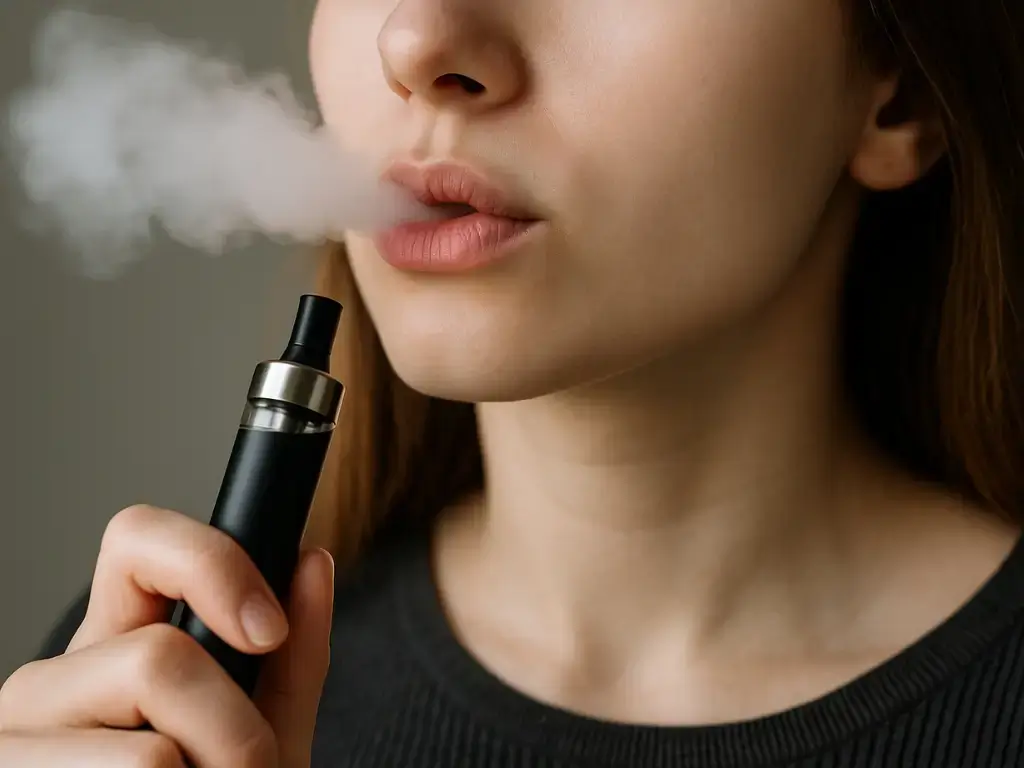
Vaping involves proper inhalation for a smooth experience and to avoid irritation or coughing. Learning how to vape properly begins with controlled, gentle inhales rather than quickly sucking in vapour like a cigarette. This method helps prevent lung discomfort, which is key when vaping for the first time. Proper inhalation lets vapour settle in your mouth first, enhancing flavour and reducing harshness.
By focusing on these inhaling techniques, you can improve your vaping sessions safely. Mastering this skill enhances your experience and prepares you for more advanced vaping.
Mastering the Two Main Inhalation Techniques
Vaping primarily involves two distinct inhalation methods: Mouth-to-Lung (MTL) and Direct-to-Lung (DTL). Understanding which technique suits you ensures you vape properly without stressing your respiratory system.
1. Mouth-to-Lung (MTL): The Smoker’s Transition

MTL vaping mimics traditional cigarette smoking, where you draw vapour into your mouth first, hold it momentarily, then inhale. This method is perfect for beginners and those moving from smoking, as it provides controlled vapor and nicotine intake.
2. Direct-to-Lung (DTL): For Fuller Vapour
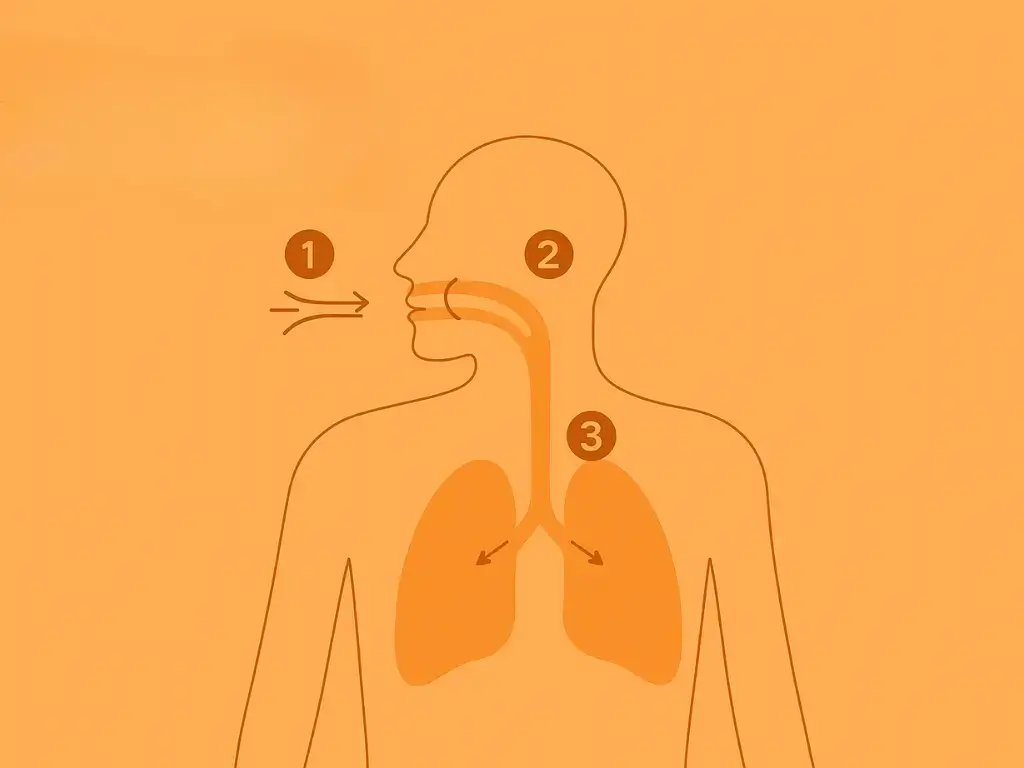
DTL involves inhaling vapour directly into the lungs in one smooth motion, akin to taking a deep breath. This technique produces larger clouds and requires more powerful devices. Beginners should start slowly to build tolerance and prevent coughing or lung irritation while seeking a better vaping experience. Choosing the right inhalation style is key to vaping properly, according to your personal preference and comfort.
How to Vape Safely: Choosing the Right Gear and E-Liquid
Vaping safely involves proper inhalation, quality equipment, and the right e-liquid, which affect health and satisfaction.
Understanding the Key Components of Your Vaping Device
Every vape consists of essential parts working together to produce vapour safely:
- Battery and Charging Safety: Batteries power your device, so always use the manufacturer’s charger and avoid overcharging. Proper battery maintenance prevents accidents and prolongs device lifespan. This attention to safety is a core part of knowing how to vape safely.
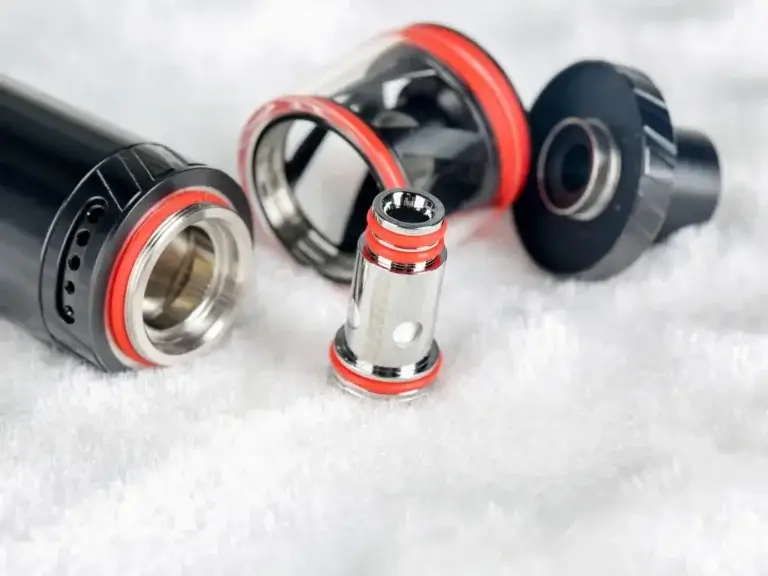
- Tanks and Atomisers: The tank holds the e-liquid, and the atomiser heats it to create vapour. Regular maintenance like cleaning parts and replacing coils ensures smooth operation and prevents safety hazards like overheating or leaks.
Knowing your device inside out helps you vape properly by reducing risks associated with faulty equipment.
Selecting the Right E-Liquid for a Smooth Experience
Choosing the correct e-liquid is just as important as selecting the right hardware. This personalised choice affects flavour, throat hit, and safety:
- Nicotine Strength Explained: For beginners, starting with lower nicotine levels can reduce harshness and coughing. Gradually adjusting strength as you learn how to vape properly helps avoid overwhelming sensations.
- Understanding PG/VG Ratios: Propylene Glycol (PG) offers throat hit and flavor, while Vegetable Glycerin (VG) produces more vapor and a smoother experience. Balancing these ratios according to your preferences enhances comfort and satisfaction and supports safer vaping habits.
Careful choices here ensure your experience remains enjoyable and less likely to irritate your lungs.
Beyond the Basics: How to Do Vape Tricks and Avoid Common Mistakes
After mastering basic techniques and equipment, exploring tricks adds fun to vaping if done cautiously.
Simple Vape Tricks for Beginners
Learning vape tricks like Ghost Inhale or Dragon promotes more controlled inhalation and exhalation. These tricks engage your lung muscles gently and help improve your overall vaping technique without causing damage. When performed slowly and with the right device, tricks can be a safe extension of your vaping skills.
Common Vaping Mistakes and How to Avoid Them
Many beginners struggle with issues like dry hits, coughing, or battery mismanagement. These problems often arise from improper device care or poor technique rather than vaping itself. Avoid mistakes by practising good vaping hygiene and proper technique to extend device life and protect lungs. Regularly cleaning your device and using the right e-liquid strength helps maintain a smooth experience and reduces irritation.
This guide provides practical advice and safety tips for vaping correctly to enjoy benefits without risking lung health. If you’re ready to dive into vaping, understanding these essentials will ensure you start on the right foot with confidence.
For those new to this, you might find my detailed guide on Step-by-Step Guide for Perfect Vape Hite a helpful next step to deepen your knowledge and skills.
Feel free to ask if you’d like me to elaborate on any part or add more technical specifics!
FAQ:
Popcorn lung—technically bronchiolitis obliterans—is a disease linked to inhaling diacetyl, a chemical used in some flavourings. Most reputable e-liquids no longer include diacetyl, and there are no confirmed popcorn lung cases among vapers using regulated products. However, it’s wise to check e-liquid ingredients and buy only from trusted sources to minimise all risks.
Lung function usually begins to improve two to three weeks after you stop vaping. However, symptoms like coughing or difficulty breathing can persist for several months or even a year as your lungs recover. Permanent damage is possible if vaping or smoking was heavy or prolonged, so quitting as early as possible is best for healing.
No. Vaping exposes expecting mothers and their babies to nicotine and other harmful chemicals. This can cause health problems such as low birth weight, lung and brain development issues, and long-term complications for the fetus. Pregnant women are strongly advised to avoid vaping entirely.
Using both cigarettes and vapes simultaneously (dual use) can still expose you to high levels of toxic chemicals and health risks. To significantly reduce harm, experts recommend switching completely from smoking to vaping, rather than doing both at once.
Not all vape devices are created equal: high-powered devices can produce more vapor and heat, potentially releasing greater quantities of harmful chemicals. Devices with unknown origins or illegal modifications may carry higher risks, sometimes causing battery explosions or unexpected injuries. Always buy from reputable vape brands and follow manufacturer guidelines to support safe usage.