
How to Inhale a Vape: Step-by-Step Guide for Perfect Vape Hit
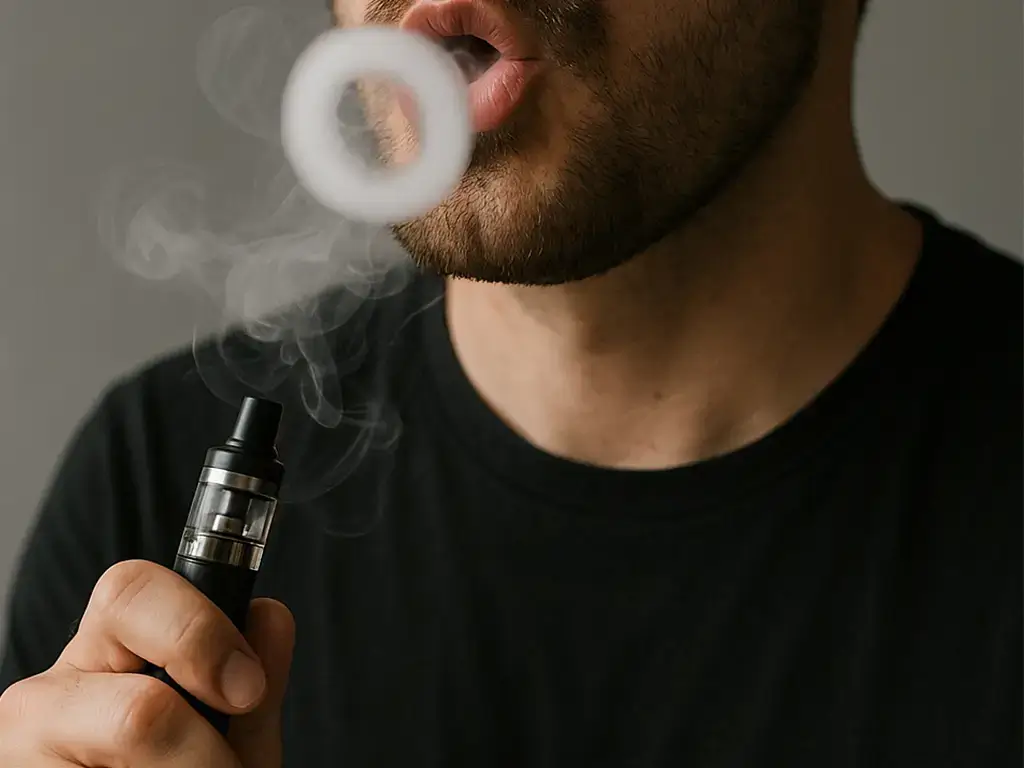
Ready to finally master how to inhale a vape the right way? In this step-by-step guide, I break down everything you need for the perfect vape hit—whether you’re new to vaping or want to improve.
I’ll explain MTL and DTL techniques, how to choose the right device, common mistakes, and how to enjoy smooth, flavoursome puffs. Let’s make every inhale count as you discover smarter, safer vaping habits designed just for you.
What Is Vaping and How Does It Work?
Vaping is the process of inhaling vapour produced by an electronic cigarette or a vape device. Vaping heats a liquid with nicotine and flavourings, unlike smoking that burns tobacco. When activated, the coil heats the liquid into vapour for inhalation.
Knowing how to inhale a vape—whether direct-to-lung or mouth-to-lung—is crucial for safety and enjoyment. The sensation differs significantly from smoking, and the learning curve is more about controlling your inhale, device, and breath. By mastering these basics, you lay the groundwork for vaping properly and achieving the best possible experience.
Understanding Your Device: What Is a Vape?
A vape is a handheld electronic device designed to vaporise e-liquid, allowing you to inhale the resulting vapour. Various types include disposable vapes, pod systems, vape pens, and box mods. Each device impacts how you inhale vape, affecting flavour, throat hit, and vapour production.
Key components include:
- Battery: Powers the coil for vaporisation.
- Coil: The heating element that turns e-liquid into vapour.
- Tank or Pod: Holds the e-liquid.
- Mouthpiece: Where you inhale.
Choosing the right device is key to learning proper and responsible vaping. Beginner devices suit mouth-to-lung users, while advanced mods are for direct-to-lung inhales and vape tricks.
The Power Behind the Vape: Batteries, Coils, and E-Liquid
The performance of your vape depends greatly on three elements: batteries, coils, and e-liquid.
- Batteries: They’re the heart of your device, determining power output. Low-powered devices typically support mouth-to-lung inhales; high-power mods handle direct-to-lung methods.
- Coils: The resistance and material of your coil affect flavour, vapour production, and the warmth of your hits. Lower resistance (sub-ohm) coils generate more vapour—great for those wanting to practice vape tricks.
- E-Liquid: The e-liquid offers various nicotine strengths and flavours with satisfying throat hit and lots of vapour.
Knowing these factors lets you vape correctly by adjusting device settings based on your inhaling method, whether mouth-to-lung for a tight draw or direct-to-lung for bigger clouds.
How to Inhale a Vape: The Ultimate Step-by-Step Guide
Perfecting how to inhale a vape is more than simply drawing vapour into your lungs. Finding a method, device, and e-liquid that suit your style and goals. Here’s how to do it:
- Choose Your Device: For beginners, opt for a simpler pod or pen. For advanced users, consider mods.
- Fill the Tank/Pod: Use your preferred e-liquid and let the coil saturate.
- Power On and Prime: Turn on the device and prime the coil if needed.
- Take a Test Draw: Inhale gently without pressing the fire button to get a feel.
- Find Your Technique: Decide between mouth-to-lung (MTL) or direct-to-lung (DTL).
Vape inhalation is about control—pace your inhales, adjust strength, and select suitable settings. Don’t rush; strong or improper inhales can be harsh, especially for beginners.
Direct-to-Lung (DTL): How to Inhale Vape for Large, Smooth Clouds

With the direct-to-lung technique, you draw vapour straight into your lungs, similar to taking a deep breath. This approach is popular among those who enjoy large clouds and a smoother draw:
How to Do It:
- Inhale deeply and smoothly through the mouthpiece, bringing vapour directly to your lungs.
- Exhale completely.
Direct-to-lung uses high-wattage devices, low-resistance coils, and lower nicotine strengths for a more open airflow. Mastering DTL is often essential for those wanting to try high-level vape tricks and maximise flavour.
Mouth-to-Lung (MTL): Mastering the Art of How to Vape Properly
Mouth-to-lung inhalation closely resembles smoking a traditional cigarette. Vapour is first inhaled into the mouth, then into the lungs.
How to Do It:
- Inhale vapour into your mouth, pausing briefly.
- Breathe the vapour into your lungs with a second, smaller inhale.
- Exhale slowly.
This style is particularly effective for beginners seeking a familiar throat hit and those using higher nicotine strengths. MTL enhances flavour and helps with proper vaping and inhalation control.
Vape Tricks 101: How to French Inhale and Impress Your Friends
The French Inhale is one of the most popular vape tricks and a favourite among vapers who want to showcase their skills. It involves letting vapour flow from the mouth and inhaling it through the nose.
How to Do It:
- Inhale vapour into your mouth.
- Slowly open your mouth, letting the vapour drift upward.
- Inhale gently through your nose, pulling the vapour up and out in a visually pleasing effect.
Mastering vape tricks, such as the French Inhale, requires patience, timing, and practice. Start with slow draws and experiment with airflow and vapour density for the best results.
Beyond the Basics: Waterfall and Other Cool Vape Tricks
For those seeking to elevate their experience, the Waterfall and other advanced vape tricks offer a creative challenge:
- Waterfall Trick: Use a bottle or container to collect vapour, then pour it out to create a cascading fog.
- Vape O’s: Form your mouth into an O shape and tap your cheek to make vapour rings.
- Dragon: Exhale vapour through your nose and mouth simultaneously in four streams.
Trying new vape tricks boosts enjoyment and gives you better control over inhaling, making the process fun and skillful.
How to Vape Properly: Avoiding Common Mistakes and Staying Safe
Learning how to vape properly means understanding not just the techniques, but also the common mistakes that new vapers make:
- Inhaling Too Harshly: Can result in throat discomfort or coughing. Slow, controlled inhales are key.
- Using High Nicotine Strengths in Sub-Ohm Devices: Leads to excessive throat hit and discomfort.
- Neglecting Device Maintenance: Dirty coils or low batteries can create off-flavours and compromise safety.
Always opt for recommended e-liquid strengths and device settings, and clean your vape regularly. Inhaling a vape carefully ensures smooth, enjoyable, and safe sessions.
FAQ:
Answer: A burnt taste signals a dry or burnt coil due to insufficient saturation, an empty tank, long use, or high wattage. After burning, replace the coil; cleaning won’t restore flavour.
Fix: Prime your coil by soaking it in e-liquid before first use, refill it before it runs empty, and stay within therecommended wattage.
Answer: Leaks and spitback often occur from overfilling, low-quality coils, or drawing hard. Worn O-rings or poor assembly can cause leaks. Spitback results when liquid builds up in the mouthpiece due to condensation or a flooded coil.
Fix: Fill your tank or pod to the recommended level, check and replace O-rings if needed, and ensure correct assembly. For spitback, try blowing gently through the mouthpiece before inhaling or use a different coil.
Answer: Vaping is discouraged for people with asthma because chemicals like propylene glycol, vegetable glycerin, and formaldehyde can irritate airways, worsen symptoms, and trigger attacks. Health experts advise avoiding vaping if you have respiratory issues.
Fix: If you have asthma or another lung condition, consult your doctor before considering vaping for any reason.
Answer: The strength of the throat hit depends on several factors: nicotine strength, type of nicotine (freebase vs. salts), e-liquid’s VG/PG ratio, and your device’s airflow. Higher nicotine, more propylene glycol (PG) in your e-liquid, and a tighter draw on your device will all increase throat hit. Lower nicotine, high VG, and an open airflow will make the experience smoother but may reduce throat sensation.
Fix: Try a higher nicotine strength, a higher-PG e-liquid, or a device with a tighter draw setting. Remember, changing these variables will also change vapour production and flavour.
Answer: Some evidence suggests vaping can help some smokers reduce or quit tobacco, as it delivers nicotine without the harmful chemicals found in cigarette smoke. However, vaping is not risk-free and is not universally effective as a quit-smoking aid. Some people switch to vaping but continue using nicotine long-term, and there is a risk of dual use (vaping and smoking). Quitting tobacco is best done with the support of approved cessation methods and medical advice.
Fix: If you’re considering vaping to quit smoking, discuss it with your healthcare provider and use only regulated nicotine replacement products.