How to Dispose of Vapes Without Harming the Environment?
How to dispose of vapes without harming the environment is a pressing concern for eco-conscious vapers on planet. This guide explains proper vape disposal, including recycling batteries, handling e-liquid waste, and finding local drop-off points.
Lastly, I will teach you to dispose of disposable vapes safely with expert tips and simple steps. This promotes responsible vaping and environmental protection.
What Are the Environmental Impacts of Vape Disposal?
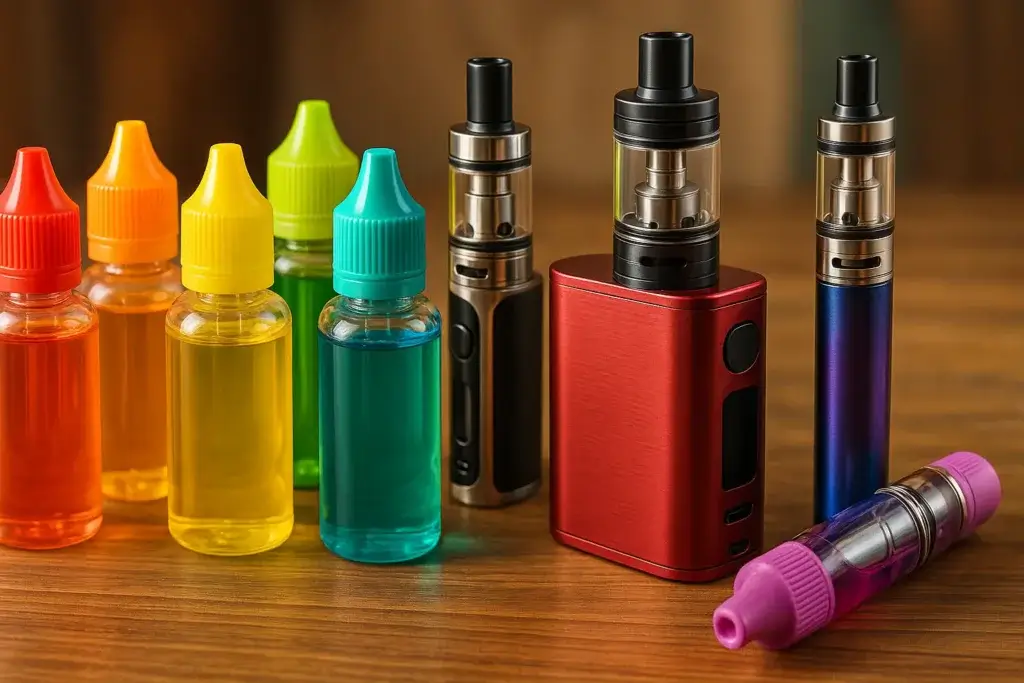
Improperly discarded vapes do significant harm to the environment. Each vape device has plastics, metals, lithium-ion batteries, and leftover e-liquid. These materials can stay in the soil and water for years if not handled properly.
When thrown away with regular trash, batteries can start fires in landfills. They can also leak chemicals that pollute local water and harm animals.
Knowing how to dispose of vapes properly is important. This helps reduce your carbon footprint. It also keeps the environment safe for future generations. My blog’s post on “eco-friendly vaping tips” provides additional tips for people who want to vape sustainably.
Where to Dispose of Vapes Safely: Locations and Options
If you’re searching for where to dispose of vapes, start by checking community initiatives. Many local councils and waste management centres have special bins for e-waste. They have vape collection days, especially in busy cities. Pharmacies and vape shops may also have take-back programs.
Never toss vapes into household garbage or standard recycling bins. Instead, gather your used devices and batteries. Store them safely. Then, find the nearest hazardous waste drop-off or recycling location.
In some areas, battery recycling spots at supermarkets or electronics stores accept vape products. Before you go, check what you can do. For more details, check out my guide on “vape recycling options near me.”
National Vape Recycling and Drop-Off Points
| State/Region | Major Locations & Programs | Details |
| NSW (Sydney) | City of Sydney Recycling Stations, Ultimo Pop-up, Recycle It Saturday events | City of Sydney provides multiple drop-off points for all kinds of vapes at libraries and community centers. Quarterly events and a pop-up service are available for residents. Vapes are accepted at e-waste collection points, but check your council’s website for the latest updates. |
| Victoria | Port Phillip City Council: St Kilda Town Hall, Port Phillip Resource Recovery Centre, Victorian Pride Centre | Port Phillip is running a vape recycling trial, accepting vapes at several locations. The program has collected over 2,000 vapes since early 2024, with plans to expand drop-off points. Hume City Council also offers specially marked vape disposal bins at Global Learning Centres in Broadmeadows, Craigieburn, and Sunbury. |
| Victoria | Casey Aquatic and Recreation Centre (ARC), Melanie’s Recycle and Community Collection Hub | City of Casey provides two free vape recycling stations for public use, accepting both single-use and reusable vapes. |
| WA (Perth) | Ecocycle Perth, Jamieson’s via Perth Chemical Specialists | Ecocycle accepts vapes for recycling (fee applies, minimum spend $100). Jamieson’s offers a paid service, mostly for schools and bulk disposals. |
| ACT (Canberra) | ACT Resource Management Centres | Canberra residents can drop off all kinds of vapes at hazardous waste drop-off centers. |
| SA, QLD, TAS | Ecocycle facilities in Adelaide, Brisbane, Launceston | Ecocycle offers vape recycling for a fee across multiple cities; check local listings for details. |
Nationwide Battery Recycling
B-cycle is Australia’s official battery program. It accepts vape batteries at many drop-off points across the country. You can find these points at major stores like Aldi, Bunnings, Officeworks, Woolworths, and IKEA. Use the B-cycle website to find your nearest location.
- Pharmacies: Some pharmacies accept vape components (excluding batteries) through the Return Unwanted Medicines (RUM) program for disposal. Call ahead to confirm.
- Community Recycling Centres: Many local councils host periodic e-waste collection events or have permanent centers. Check your council’s website or use the Recycling Near You directory for up-to-date information.
Business and Bulk Recycling Services
- Ecoactiv: Offers tailored vape recycling solutions for households and businesses, including large-scale collection and recovery programs. Suitable for councils, schools, and businesses needing regular disposal.
- SPC eCycle & Ecocycle: Accept vapes from the public and businesses in Sydney, Melbourne, Perth, Adelaide, Brisbane, and Launceston—fees and minimum quantities apply.
- RecycleSmart: Provides a pick-up service for vapes in selected Sydney and Melbourne council areas. Some councils cover the cost; otherwise, a fee applies.
Key Points and Best Practices
- Never dispose of vapes in regular household bins or kerbside recycling—this poses fire risks and environmental harm.
- Recycle vape batteries separately through B-cycle or similar programs.
- Some pharmacies might accept e-liquids and cartridges through the RUM program. Always check with the pharmacy first.
- Check your local council’s website for the latest information. This includes drop-off locations, events, and rules. Programs and accepted items can change.
- For businesses and schools, specialised recyclers like Ecoactiv, SPC eCycle, and Ecocycle offer scalable solutions.
Emerging Programs and Advocacy
- Port Phillip’s vape recycling trial is a great example of local government action. They collected over 2,000 vapes in just a few months.
- Clean Up Australia and No More Butts keep updated lists of safe disposal sites. They also support extended producer responsibility.
- Officials announced federal funding to create a national program for collecting and disposing of vaping products. However, details and the start date are still pending.
How to Find Your Nearest Drop-Off Point?
- B-cycle: Use the official B-cycle drop-off finder for battery recycling.
- Recycling Near You: Planet Ark’s directory helps locate e-waste and vape recycling points by postcode.
- Council Websites: Always check your local council’s waste management page for the latest on vape and e-waste disposal.
- Retailers: Major stores like Aldi, Bunnings, and Officeworks host battery recycling bins—suitable for vape batteries only.
How to Dispose of Vapes Australia: Complying with Local Rules
When learning how to dispose of vapes in Australia, remember that each state and council has its own e-waste rules. Most prohibit vapes and batteries from general waste and may fine residents who dispose of them incorrectly. Sydney, Melbourne, Perth, and Canberra councils, for example, have set up e-waste recycling points or periodic collection events.
I suggest visiting your local council’s website or calling their hotline. This will give you the latest rules and safe disposal sites. Regulations and accepted items can change quickly. Following the right procedures protects not only the environment but also ensures compliance with the law.
Are Vapes Recyclable? Understanding Components and Hazards
Vapes are a complex mix of recyclable and hazardous materials. You can often recycle the casing, which is usually plastic or metal. However, you must handle the battery and circuit board with special care. People consider e-liquids hazardous and shouldn’t pour them down the sink.
Some advanced vape recycling programs disassemble devices, separate reusable components, and safely neutralise the hazardous parts. If there is no local option, be careful. Keep used vapes until a recycling day or program is available. For more information on what you can accept, check “how to dispose of vapes at home.”
Why Vapes Are Problematic in Landfills and as Litter?
Tossing vapes into the landfill or leaving them as litter triggers several problems. Lithium batteries are fire hazards and contain metals that contaminate soil and water. Plastic parts add to mounting microplastic pollution, threatening wildlife that can mistake small vape pieces for food.
Single-use vapes are a significant environmental issue. Their small size makes it easy for people to litter. They are also difficult to disassemble for recycling. Taking the extra step to dispose of vapes correctly averts long-term consequences for the environment.
Is Vape Disassembly Safe?
Disassembling vapes at home might seem economical, but it carries serious risks. Opening a vape can expose you to leaking e-liquid and chemicals, increasing skin or respiratory irritation. Cutting into a battery, even accidentally, can cause burns or fires.
Safety experts—and most city councils—warn against DIY vape disassembly. Instead, seek out professional recycling centres or programs designed to handle hazardous vape waste.
How You Can Help: Best Practices for Vape Disposal?
Acting at the individual level is powerful. Here’s what I recommend:
- Store used vapes in a sealed container, away from children or pets.
- Separate batteries if possible, and tape over any exposed terminals.
- Never attempt to incinerate or crush vapes.
- Transport vapes in a non-metal container when dropping off at a collection point.
Look for local campaigns or volunteer opportunities that support safer vape disposal. Your small actions contribute to larger efforts to protect our environment.
Need for Extended Producer Responsibility and Industry Action
Vape disposal shouldn’t rest solely on consumers. Manufacturers must step up by offering take-back programs, using recyclable materials, and investing in product stewardship schemes. Advocating for stronger regulations and industry-backed solutions is key.
As more people question how to dispose of vapes responsibly, the demand for clear, accessible recycling options is growing. Supporting eco-conscious vape brands and retailers helps push the entire industry in a greener direction.
Multiple Ways to Recycle Vapes: Programs and Trials
Recycling methods are expanding. Some cities run pilot programs using reverse vending machines or shops acting as collection hubs. Some groups pay for mobile collection events that focus on e-waste. Trained staff safely handle and ship vapes to special facilities.
Retailers and manufacturers may also participate in national or local take-back schemes, especially as regulation tightens. Stay informed by signing up for my updates on “latest vape recycling programs.”
The Problem with Single-Use vs. Reusable Vapes for the Environment
Single-use vapes, often marketed for convenience, generate far more waste per use than reusable devices. Manufacturers cannot refill them, and they often contain less recyclable material. Reusable vapes, when paired with proper disposal habits, present a lower environmental impact.
Choosing a reusable device helps the environment. Knowing how to dispose of vapes properly is also important. This way, you are part of the solution, not the problem. Always factor in long-term waste when choosing your vaping products.
By learning how to throw away vapes safely, you protect nature. This also helps create positive change in the vaping community. Implementing even one of these strategies is a meaningful step toward a cleaner, safer world.
FAQ:
No, you should never put vapes or e-cigarettes in the general waste bin. These devices contain batteries and hazardous materials, which can cause fires or environmental pollution. Instead, take them to a dedicated recycling or hazardous waste collection point.
Yes, disassembling vapes at home is strongly discouraged. It can expose you to chemical residues, potential nicotine poisoning, and the risk of battery fire or explosion. Only professionals with proper equipment should attempt to dismantle vapes for recycling.
If your local recycling centre doesn’t accept vapes, reach out to your council for help. You can also search for special vape recycling programs, retailer take-back options, or community hazardous waste events. Never dispose of them in regular bins or curbside recycling.
Many people can recycle disposable vapes and pods. However, this can only happen at special facilities. These places can safely handle their batteries and chemicals.
Do not throw them in household rubbish. Some programs and council trials accept disposables—check for available locations before discarding.
Improper disposal leads to serious environmental problems. Lithium-ion batteries can start landfill fires.
Toxic liquids and metals can pollute soil and water. Lasting plastics can harm wildlife. The environmental footprint grows as vape usage increases, strengthening the need for responsible recycling.