How Many Puffs in a Vape? The Ultimate User Guide
Ever caught yourself wondering how many puffs in a vape you get? The truth is, puff count is not the same for everyone.
It depends on your vape device and battery size. It also depends on whether your device is rechargeable and your vaping style. This includes mouth-to-lung or direct lung hits.
From disposable vapes to refillable ones, factors like vape juice size, personal vaping habits, and nicotine delivery matter. This guide explains what affects the number of puffs. It also covers why trusted retailers matter and how your choices impact the environment.
What Determines the Number of Puffs in a Vape?
The question “how many puffs in a vape” doesn’t have a universal answer. I have tried many types of vapes, from small disposable ones to advanced personal setups. I learned that several factors affect how many puffs a user can get.

Device Type:
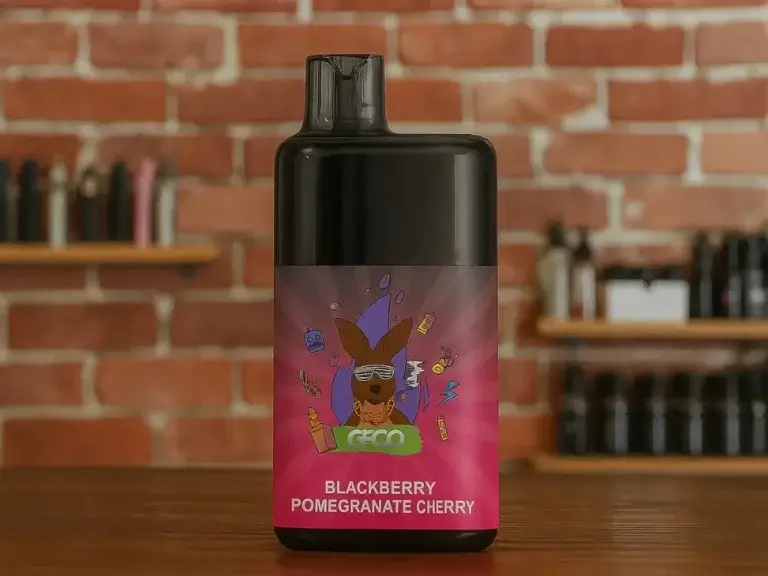
Disposable vapes are popular for their simplicity—no refilling, no recharging. Manufacturers often label them with several puffs, like “600 puffs”.
However, this number comes from lab tests. In real life, I have found that personal vaping habits, draw style, and the environment can cause significant differences. Refillable vape devices let users control the e-liquid and battery. This makes the number of puffs more variable.
Battery Size and Rechargeability:
For non-disposable devices, battery size and whether it’s rechargeable are critical. A larger battery means more power for heating the coil and vaporising vape juice.
Rechargeable mods can last longer between charges. This means you get more puffs from one device. In contrast, disposables come with a fixed battery that users cannot replace. Once the battery dies, the device stops working, no matter how much vape e-liquid remains.
E-Liquid Capacity:
The amount of vape juice a device holds directly affects how many puffs you’ll get. Manufacturers pre-fill disposable vapes, so they set their capacity. Refillable pod systems and tanks let users top up as needed, so the puff count depends on how often you refill.
Vape e-liquids come in different nicotine strengths and types. These can affect how often you vape. However, the total number of puffs still depends on the device’s capacity.
Vaping Style:
How you inhale—mouth to lung (MTL) or direct lung—also plays a role. MTL vaping, common among former smokers, uses smaller puffs, which may mean more “puffs” per millilitre of vape juice.
Direct lung inhales are bigger and use more e-liquid with each puff. This can lower the total puff count, even if the device holds the same amount of liquid. Your vaping rhythm—how long and how often you draw—further individualises your experience.
Nicotine Delivery:
The nicotine strength in your vape juice can affect how many puffs you take. However, it does not change the total number of puffs your device can provide. Higher nicotine may satisfy you with fewer puffs. In comparison, lower nicotine might have you taking more draws to feel the same effect.
Environmental Factors:
Temperature, for example, can impact battery performance. Cold weather may reduce battery efficiency, and hot conditions could affect vape juice viscosity. These subtle differences can contribute to the number of puffs you get from a vape device in real-world use.
How Puff Count Impacts Personal Vaping?
Knowing how many puffs you can get from your vape device is essential. It affects your vaping routine and overall satisfaction.

Individual Vaping Habits:
No two people vape the same way. Some prefer short, frequent puffs, while others take long, deep draws. This personal vaping style affects not just how long a device or pod lasts, but also your enjoyment and nicotine intake.
As time continues, you’ll learn how many puffs satisfy your cravings. This will help you plan your device and e-liquid purchases.
Battery Size and Rechargeability:
If you’re a frequent vaper, the convenience and longevity offered by rechargeable devices with larger batteries become obvious. Nothing is worse than running out of power mid-session. Larger batteries mean more puffs before needing a charge, and rechargeability means you’re not constantly buying new devices. This aspect is essential if you depend on your vape device throughout the day.
Environmental Concerns:
While disposable vapes are convenient, they generate a lot of waste. Each one forms a complete unit—battery, coil, tank—all heads for the trash once the puff count reaches its limit.
For environmentally conscious vapers, this is a real drawback. Refillable devices, though requiring more maintenance, create far less waste over time. Considering the environmental impact is part of responsible, modern vaping.
By tuning into how puff count affects your personal vaping experience, you become a more informed and conscientious consumer. You’ll know when to recharge, when to refill, and when to dispose of—or recycle—your device.
How Disposable Vapes Measure Puff Count?
Most disposable vapes come with a stated puff count, but what does that truly mean for your experience?

Manufacturer Methodology:
When a company claims that a disposable vape provides “600 puffs,” a lab often tests that number. They use a standard puff time and interval, usually about 1 to 2 seconds for each puff, and every 30 seconds. I’ve found that in everyday use, most people take puffs that are longer, shorter, or more frequent than these test conditions. As a result, the actual number of puffs you get can be quite different.
Real-World Variability:
In my tests, I noticed something interesting. Heavy users, who take longer and more frequent puffs, may use a disposable vape more quickly than expected. Conversely, light users might find their device lasts longer.
MTL style vaping uses shorter and more frequent puffs. This method will likely provide a puff count close to what the advertisement claims. However, individual results can vary widely.
The Role of Reputable Retailers:
Not all disposable vapes are created equal. Counterfeit or low-quality products sometimes overstate their puff count.
Purchasing from reputable retailers ensures that trusted sources test and accurately label the products you receive. I prioritise performance and safety, and always suggest using well-known vape brands and legitimate sellers. Your satisfaction and safety remain my top concerns.
How to Maximise Puff Count with Your Vape Device?
Want to get the most from your vape device? Here’s how to make every puff count, based on years of personal experience and experimentation.

E-Liquid Choice:
The quality and viscosity of your vape juice matter. Good quality vape e-liquids taste better.
They can also help coils last longer. This means you get more puffs from each fill. Thick, sweetened juices may gunk up coils faster, reducing total puff count over time.
Maintenance Matters:
Regular cleaning and timely coil replacement are key for refillable devices. A clean tank and fresh coil give better flavour and vapour.
They also help you use e-liquid efficiently. This way, you can get every puff from your device. For disposables, of course, maintenance isn’t an option, but for pod systems and mods, it’s essential.
Vaping Technique:
Your vaping style—specifically, how long and often you draw—has a direct impact. Mouth-to-lung (MTL) users may find their devices last longer, as they typically take smaller, more frequent puffs. Direct lung vapers, with their deep, powerful draws, will go through vape juice and battery faster. Adjusting your technique can help optimise both satisfaction and device longevity.
Battery Management:
For rechargeable devices, understanding how battery size affects your vaping day is essential. A larger-capacity battery means more sessions between charges, which translates to more puffs. Also, avoid letting your battery drain completely before recharging; partial charges help prolong its overall lifespan.
Climate and Storage:
Store your vape device in a moderate environment. Extreme temperatures can affect both battery performance and e-liquid viscosity, potentially altering the number of puffs you get. Keeping your device at room temperature helps maintain consistent performance.
Why Accurate Puff Count Matters in Personal Vaping?
Knowing roughly how many puffs you can expect from your vape device is more practical than you might think.

Expectation Management:
When you know how many puffs you get, you can buy vape juice and devices better. This helps you avoid running out during the day. Especially for those who rely on vaping throughout the day, this foresight saves frustration.
Health and Nicotine Awareness:
For users tracking nicotine intake, understanding puff count helps maintain control. Higher-nicotine e-liquids can satisfy you with fewer puffs. However, it is always smart to watch your total use. This is true whether you are lowering your nicotine levels or just being careful.
Environmental Responsibility:
Disposable vapes are undeniably convenient, but they’re also a growing source of electronic waste. Knowing your device’s puff count and lifespan helps you make better choices. You can choose recyclable or rechargeable options when you can. This way, you reduce your environmental impact without losing satisfaction.
FAQ:
Yes. Higher nicotine concentrations usually satisfy cravings faster, so users may take fewer puffs per session. This may lead to a longer-lasting e-liquid supply despite a lower technical puff count.
Flavour can influence user satisfaction and frequency of vaping. Intense or preferred flavours prompt more frequent vaping, potentially reducing total puff count from a given e-liquid volume.
Yes. Wider airflow produces larger vapour clouds and consumes more e-liquid per puff, resulting in fewer total puffs from the same volume compared to tighter airflow settings.
Not always. Puff counts are typically estimated under ideal lab conditions, and actual results vary with personal usage, device power, and draw style.
A: Extreme cold can reduce battery efficiency and vapour production, while high temperatures may thin e-liquid and increase consumption per puff, affecting overall puff count and device longevity.