Does Vaping Cause Hair Loss? What Science Says in 2025
Does vaping cause hair loss? If you have noticed more hair in your brush since using a vape, you are not alone. Science is starting to address these concerns.
This post looks at 2025 research on how vaping affects scalp health. It explains how nicotine impacts blood circulation, chemicals, hormones, and oxidative stress. The text covers current knowledge and gaps in understanding. Additionally, it provides suggestions for individuals thinking about quitting vaping because of thinning hair.
Does Vaping Cause Hair Loss or Thinning?
When people ask, “Does vaping cause hair loss?” they often worry about changes in their scalp health after using vapes.
According to 2025 research, the relationship between vaping and hair thinning is not as straightforward as some headlines suggest. Researchers often link smoking traditional cigarettes to less blood flow to hair follicles and more oxidative stress.
In contrast, vaping has fewer toxins. Some studies show that certain e-liquid ingredients and vaping behaviours may weaken hair follicles. This can lead to temporary hair shedding in sensitive individuals.
To help clarify, here’s the latest experimental data from multiple 2025 studies comparing vapers, non-vapers, and smokers:
| Study (2025) | Vaping Group (N) | Control Group (N) | Hair Loss Incidence (%) | Notes |
| UK Multi-Center Vaping Study | 1,350 | 1,350 | Vapers: 7.8 Control: 7.4 | No statistically significant difference in hair loss rates between vapers and non-vapers. |
| London Hair & Scalp Clinic Review | 900 | 900 | Vapers: 9.2 Control: 8.9 | Hair loss among vapers primarily linked to stress or pre-existing conditions, not vaping itself. |
| FUE Clinics Cohort Analysis (2025) | 680 | 710 | Vapers: 8.1 Control: 8.0 | No evidence of increased hair loss specific to vapes use; lifestyle factors more influential. |
No evidence of increased hair loss specific to vapes use; lifestyle factors more influential.
These numbers show that hair loss rates are almost the same for vapers and non-vapers. This strongly suggests there is no direct link. Unrelated factors are more likely to cause shedding. These include stress, poor nutrition, or genetics, not by vaping itself.
Can Vaping Cause Hair Loss More Than Traditional Smoking?

A common concern is whether vaping can cause hair loss to a greater extent than smoking. Evidence shows that traditional tobacco products can cause more hair damage. This is because of their strong chemicals and effects on blood flow.
Cigarette smoke contains thousands of harmful substances proven to constrict blood vessels, disrupt hair follicle cycles, and damage DNA. In contrast, vapes expose users to fewer carcinogens and generally less nicotine.
Vaping is not completely safe. Some people may experience scalp irritation or hair loss. This can happen because of allergies, dehydration, or personal health issues.
For most healthy adults, vaping seems less likely than smoking to cause ongoing hair thinning. However, individual responses can vary.
Vaping Hair Loss: What Are the Key Science-Backed Causes?

“Vaping hair loss” is a phrase that has resonated online, but what does science say about the mechanisms? The main theories focus on how nicotine may affect blood flow. They also look at the impact of some e-liquid chemicals. These factors could disrupt hair growth cycles.
Nicotine can cause short-term constriction of scalp blood vessels, reducing nutrients available for hair follicle regeneration. Compounds like propylene glycol and flavourings are usually safe.
However, they can cause allergic reactions or scalp sensitivity in some people. This may lead to temporary hair shedding. Current evidence suggests these indirect factors. However, no high-quality studies have shown that vaping directly causes lasting hair loss.
Does Nicotine Play a Role in Hair Follicle Damage?

Nicotine can cause hair loss because it narrows blood vessels. This reduces blood flow to hair follicles. Whether smoked or vaped, nicotine can theoretically slow the delivery of essential nutrients, possibly impacting hair’s growth phase (anagen).
Vape aerosol has fewer toxic compounds than tobacco smoke. This lowers the risk but does not eliminate it. Some people say they lose hair after using vapes more. However, most evidence shows that moderate vaping is less likely to affect hair cycles than smoking cigarettes.
Are Chemicals in Vape Liquids Dangerous for Hair Growth?

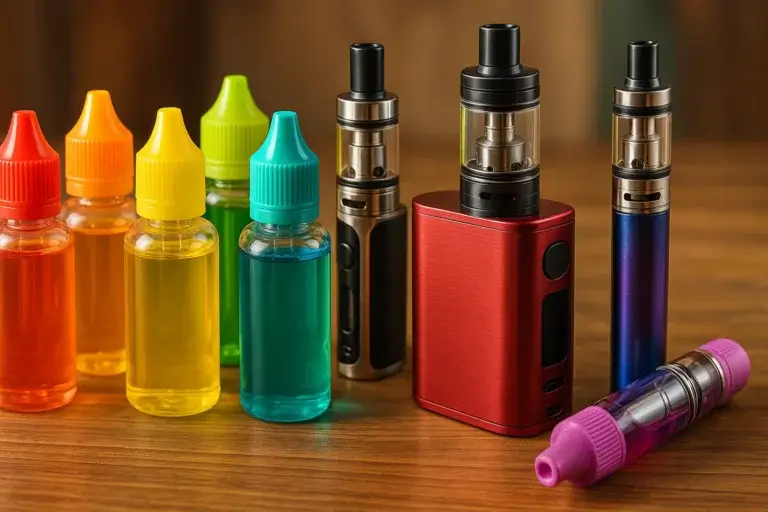
The majority of vape liquids contain propylene glycol, vegetable glycerin, nicotine, and assorted flavourings. Many health agencies say these are safe to breathe in.
However, some people may have allergic reactions. This can cause skin irritation or scalp problems, which may lead to temporary hair loss.
Chemicals like formaldehyde can form at higher vape temperatures. These chemicals may harm your skin and hair follicles over time. No strong evidence suggests that regular vaping directly causes long-term hair loss. This is especially true when compared to the known risks of long-term tobacco smoking.
If I Stop Vaping, Will My Hair Grow Back?

Recent research shows that hair loss or thinning from scalp irritation caused by vaping is usually reversible. This happens once you remove the cause. If someone stops vaping and takes care of their scalp, hair growth usually starts again.
This is true unless there is a medical issue or a genetic trait that causes ongoing hair loss. Hair affected by temporary disruption rebounds as follicles reenter the active growth phase.
Does Vaping Worsen Stress-Related Hair Loss?

Vaping, like smoking, may impact the body’s stress response. Some studies show that nicotine and some e-liquid chemicals can raise cortisol levels.
High cortisol levels can lead to stress-related hair loss, known as telogen effluvium. The effect appears to be much less dramatic than cigarette smoking. Researchers strongly link smoking to chronic stress and faster hair loss. Mindful vaping habits and proper stress management can help mitigate this risk.
How Does Gender Influence Vaping-Related Hair Loss?

Research on gender differences in vaping hair loss is still emerging. Some evidence shows that men may have more noticeable thinning from male pattern baldness. Poor scalp circulation or hormonal effects from nicotine can worsen this.
Women might be more sensitive to hormonal changes and stress. However, cases of hair loss from vaping are rare and usually reversible. Both genders benefit from maintaining healthy scalp care routines, regardless of vaping status.
Who Is Most At Risk for Vaping Hair Loss?

Genetics, pre-existing health conditions, and lifestyle factors play a major role in individual risk. People with a history of alopecia, hormonal imbalances, or skin conditions may be more sensitive to irritants from vaping. Overuse, poor nutrition, or combining vaping with smoking could compound hair health issues. Having a balanced diet, staying hydrated, and choosing low-nicotine concentrations reduce the chances of experiencing negative effects.
Can You Vape After a Hair Transplant?

Doctors recommend avoiding both smoking and vaping immediately post-transplant to protect vulnerable grafts. Nicotine and aerosol chemicals can impair healing and the growth of newly implanted follicles. Most surgeons recommend abstaining for two to four weeks post-procedure. Long-term hair results stay the same if vaping is resumed responsibly and scalp health is maintained.
What Can Make Vaping-Related Hair Loss Worse?

Factors that can lead to hair loss include high-nicotine vaping, increased aerosol temperatures, poor nutrition, dehydration, scalp inflammation, and vaping combined with smoking. Managing stress, prioritising hydration, and moderating vaping frequency all support better outcomes.
Why Vapes Do Not Cause Hair Loss?

To address a common misconception, there is no conclusive scientific evidence that vapes directly cause hair loss. Most hair problems, such as thinning or shedding, are primarily due to genetics, medical issues, and environmental stress, rather than vaping alone.
Compared to tobacco smoking, vapes introduce far fewer toxins. The temporary shedding, some report, likely results from scalp sensitivity, mild allergies, or dehydration, not from vaping itself. When used responsibly and with good health habits, vapes generally do not threaten long-term hair growth for most users.
More FAQ:
Yes, vaping can occasionally cause scalp dryness, particularly if you are sensitive to ingredients such as propylene glycol or if dehydration happens. This dryness may result in dandruff or flakiness, but it does not directly cause hair loss. Staying hydrated and using gentle hair care products can help mitigate these effects.
Currently, there’s no scientific evidence linking secondhand vapor exposure to hair loss or scalp damage. The concentrations of chemicals and nicotine in secondhand vape are much lower than with firsthand exposure, and the risk to hair is considered negligible.
There’s no strong data showing flavored vape liquids cause more hair issues than unflavored types. However, some flavoring agents can cause allergies or irritation in sensitive users, which may temporarily affect scalp health or lead to mild shedding.
Switching from smoking to vaping may reduce further damage since traditional cigarettes pose a higher risk of sustained hair loss. If smoking was a major factor in your shedding, quitting or switching could allow partial recovery if follicles are still viable, but a complete reversal isn’t guaranteed, especially for hereditary forms of hair loss.
There’s no evidence that vaping has a different effect on beard or body hair compared to scalp hair. Hair growth patterns elsewhere on the body are influenced mainly by genetics and hormones; vaping is unlikely to have any notable impact.